Memory

Age and Memory: What's Normal and What Helps

MemoHoney Wellness Team 5 min read Updated July 2026

Misplacing your keys occasionally is human; it's not the same as a serious memory problem. Understanding normal age-related changes helps you respond calmly and take practical steps to support your mind.

What's typical with age

Slower recall of names or where you left things is common and usually reflects a brain that's simply busier and a touch slower to retrieve, not one that's failing.

What deserves attention

Changes that disrupt daily life — getting lost in familiar places, repeated questions, trouble with routine tasks — are worth discussing with a healthcare provider.
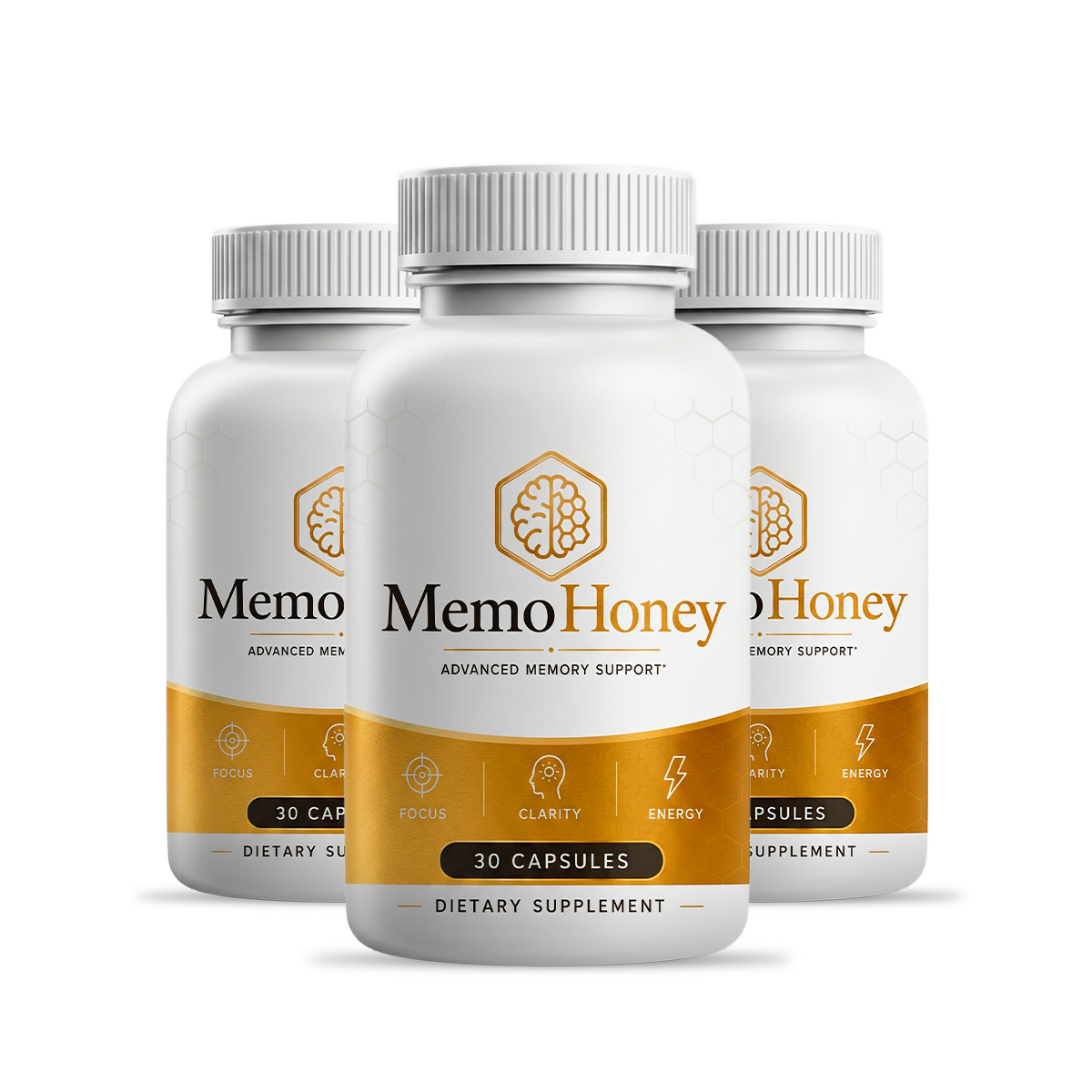
MemoHoney Advanced Memory Support

Support Your Memory, Naturally

MemoHoney combines Bacopa Monnieri, Lion's Mane, Ginkgo Biloba and more into one simple daily capsule for memory, focus and clarity.

See Packages & Pricing

Habits that support aging brains

  • Staying physically active
  • Keeping socially and mentally engaged
  • Prioritising sleep
  • Eating a brain-friendly diet

The role of engagement

Lifelong learning and connection build cognitive reserve. Try the strategies in study techniques that help you remember at any age.

Everyday support

Many older adults add botanicals traditionally associated with memory. MemoHoney's botanical blend was designed for consistent daily use.

Key takeaways

  • Slower recall of names or where you left things is common and usually reflects a brain that's simply busier and a touch slower to retrieve, not one that's failing.
  • Changes that disrupt daily life — getting lost in familiar places, repeated questions, trouble with routine tasks — are worth discussing with a healthcare provider.
  • Lifelong learning and connection build cognitive reserve.
  • Many older adults add botanicals traditionally associated with memory.

*These statements have not been evaluated by the Food and Drug Administration. This product is not intended to diagnose, treat, cure or prevent any disease. This article is for general educational purposes and is not medical advice.